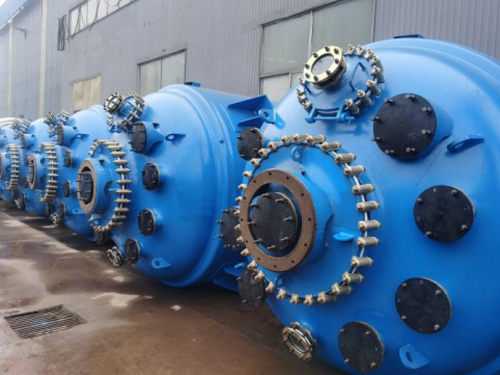
Application of Glass-Lined Reactors in the Pharmaceutical Industry: A Case Study on Corrosion Resistance and Product Purity
Abstract
Glass-Lined
Steel (GLS) reactors are indispensable in Active Pharmaceutical
Ingredient (API) and intermediate synthesis, where processes often
involve highly corrosive media and stringent purity requirements. This
article presents a case study demonstrating how GLS reactors solve
critical challenges of metal contamination and vessel degradation in
pharmaceutical manufacturing.
Introduction
A
manufacturer of a high-potency API faced significant production
hurdles. A key synthesis step required a 15-hour reflux reaction in a
mixture of concentrated hydrochloric acid and organic solvents at 95°C. Using a 316L stainless steel reactor led to severe pitting corrosion and the leaching of iron, chromium, and nickel ions
into the product. This metallic contamination caused consistent batch
failures, with purity levels failing to meet pharmacopeial standards
(<98.5%), resulting in costly reworks and schedule delays.
The GLS Solution
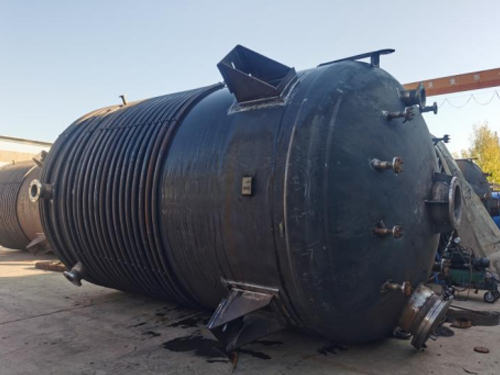
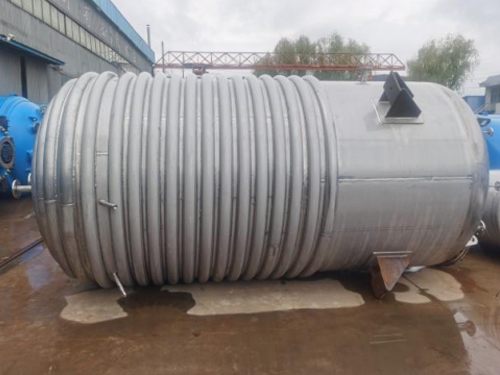
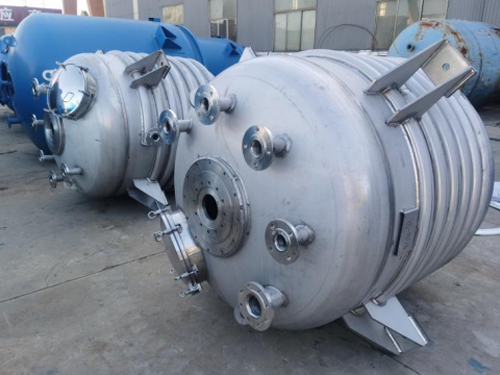
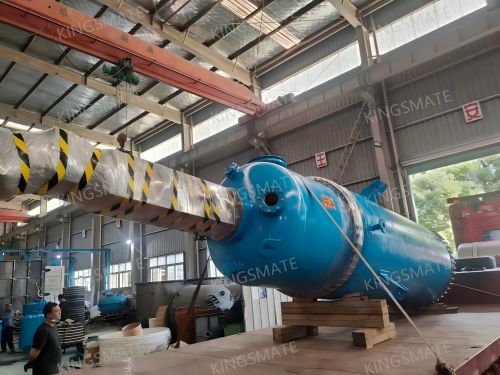
The company replaced the stainless steel reactor with a 5,000-liter Glass-Lined Steel reactor. The solution's core is the glass enamel layer,
a silicon dioxide-rich borosilicate glass fused to the carbon steel
substrate at approximately 850°C. This creates a continuous, inert, and
non-porous barrier.
Case Study Results and Analysis
Corrosion Resistance Validated: Over 24 months of continuous operation, the GLS reactor showed no visible signs of enamel attack or deterioration. Ultrasonic thickness testing confirmed the integrity of the glass layer. The reactor withstood the aggressive HCl and solvent environment where stainless steel failed.
Product Purity Achieved: By completely isolating the reaction mixture from the metal substrate, the source of ionic contamination was eliminated. Subsequent API batches consistently achieved a purity of >99.8%, well exceeding specifications. Batch failure rates dropped from nearly 30% to under 1%.
Operational and Economic Benefits:
Reduced Maintenance: Eliminated unplanned shutdowns for corrosion-related repairs.
Improved Cleaning: The ultra-smooth, non-stick glass surface allowed for faster and more effective Clean-in-Place (CIP) procedures, crucial for GMP compliance and cross-contamination prevention between batches.
Lifecycle Cost Advantage: While the initial capital expenditure for a GLS vessel is higher, the dramatic increase in batch success rate and reduction in downtime yielded a full return on investment within 18 months.
Conclusion
For
pharmaceutical processes involving aggressive acids, chlorinated
compounds, or where absolute product purity is non-negotiable, GLS
reactors offer a proven and reliable solution. Their superior chemical
inertness directly translates into higher yields, superior quality, and
more predictable production schedules, making them a cornerstone of
modern API manufacturing.